OptiLight vs. OptiLift for Dry Eye: What Is the Difference?
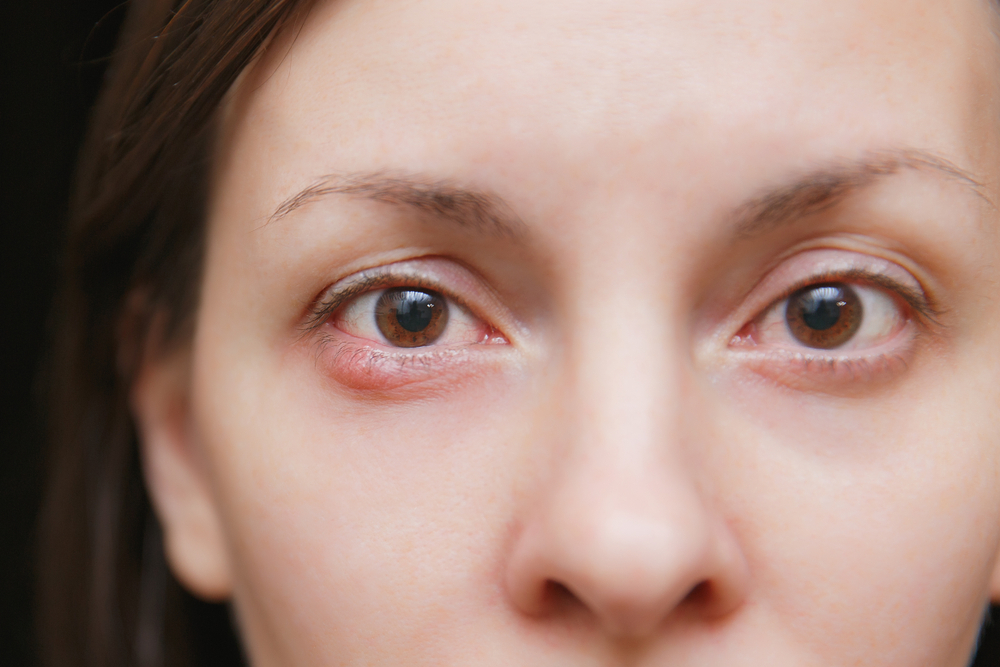
Dry eye is not always caused by the same underlying problem. For some patients, inflammation and meibomian gland dysfunction interfere with the tear film. For others, poor eyelid closure and inefficient blinking may contribute to dryness and irritation. That is why choosing the right dry eye treatment starts with identifying what is affecting your eyes.
OptiLight and OptiLift are two advanced technologies that address different factors related to eye comfort and tear film stability. Understanding how they differ can help explain why we may recommend one approach over another.
What Is OptiLight for Dry Eye?
OptiLight by Lumenis uses intense pulsed light, or IPL, to manage dry eye associated with meibomian gland dysfunction. The meibomian glands produce the oil layer of your tears, which helps prevent tears from evaporating too quickly.
When these glands become blocked or do not function properly, patients may experience burning, irritation, fluctuating vision, redness, and persistent dryness.
OptiLight delivers controlled pulses of light to targeted areas around the eyes. Treatment is designed to reduce inflammation and support healthier meibomian gland function, helping improve the quality and stability of the tear film.
What Is OptiLift?
OptiLift takes a different approach. Rather than using IPL to target inflammation, OptiLift uses Dynamic Muscle Stimulation technology to activate and tone the muscles around the lower eyelids.
Healthy blinking is important for spreading tears evenly across the surface of the eyes. If the lower eyelids become lax or blinking is incomplete, tears may not be distributed effectively. This can leave areas of the eye exposed and contribute to discomfort.
OptiLift is designed to address lower eyelid laxity and impaired blinking by stimulating the periorbital muscles and supporting better eyelid function.
OptiLight vs. OptiLift: The Key Differences
Although both technologies can play a role in improving ocular surface comfort, they focus on different contributing factors:
- OptiLight uses IPL to address inflammation and signs of dry eye associated with meibomian gland dysfunction.
- OptiLift stimulates muscles around the lower eyelids to address eyelid laxity and inefficient blinking.
- OptiLight focuses primarily on tear film inflammation and meibomian gland function.
- OptiLift focuses primarily on eyelid tone, closure, and blink mechanics.
- The treatment we recommend depends on what we find during your dry eye evaluation.
Which Treatment May Be Right for You?
The best option depends on the source of your symptoms. Someone with significant meibomian gland dysfunction may benefit from an approach that targets inflammation and gland function. Someone whose symptoms are influenced by lower eyelid laxity or incomplete blinking may need a different strategy.
In some cases, dry eye has more than one contributing factor. Evaluating the eyelids, tear film, meibomian glands, and ocular surface allows us to develop a treatment plan based on your individual needs rather than relying on temporary symptom relief.
For personalized dry eye care and to learn whether OptiLight, OptiLift, or another treatment option may be appropriate for you, schedule an appointment with Premier Family Eye Care in Grand Rapids, MI at (616) 275-2020.
Helpful Articles
All Eye Care Services
Find personalized eye care excellence with our comprehensive services. From eye exams to advanced diagnostics, trust us for all your vision needs.
Keep In Touch
For non-urgent questions or to learn more about our services, contact us today!
© 2026 Premier Family Eye Care. All rights Reserved - Accessibility Statement - Privacy Policy - Sitemap
Managed and Designed by 